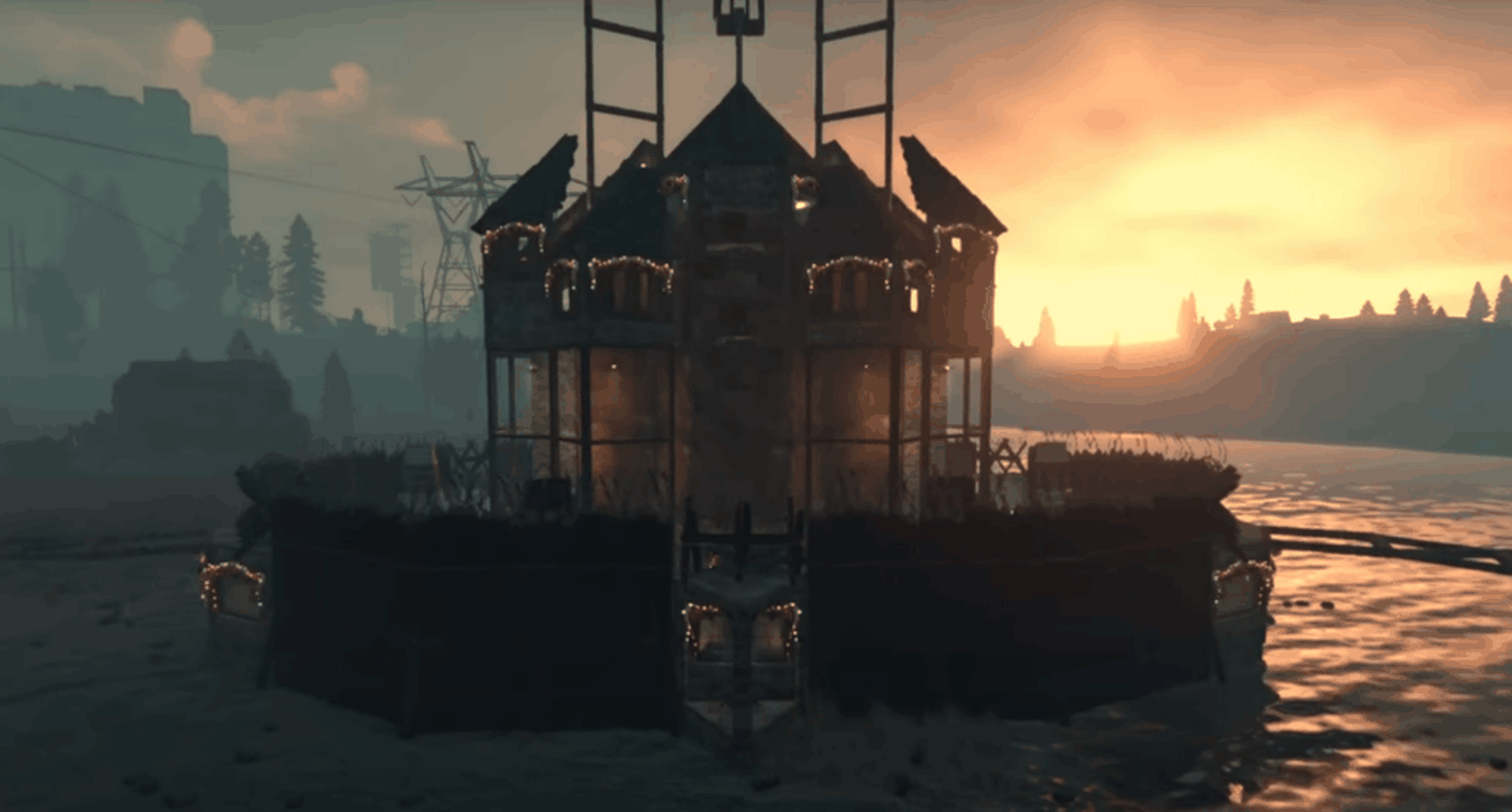

A good rust base design protects your loot, slows down raiders, and gives you space to grow throughout the wipe. Start with a secure Tool Cupboard (TC), airlock, upgraded core, and honeycombing, then expand based on your team size. The best Rust bases balance defense, cost, comfort, and smart placement.
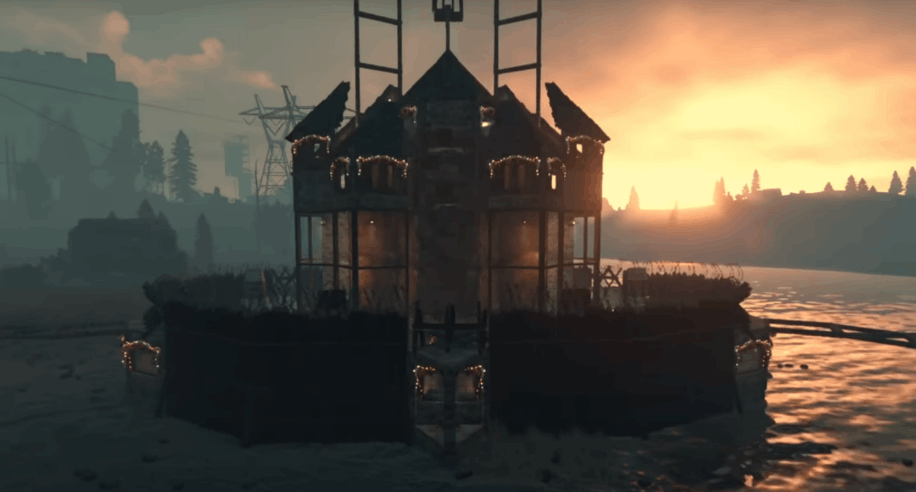
#Why Rust Base Design Matters
In Rust, your base is more than a place to dump loot after a farm run. It is your respawn point, storage room, crafting hub, raid defense system, and sometimes your only reason for logging back in after a rough night.
A weak rust base can get cracked open by a couple of determined players with satchels. A smart one can waste raiders’ time, force them through expensive paths, and make them question whether your loot is even worth it.
The goal is not to build an “unraidable” base. Those do not really exist. The goal is to make your base annoying, expensive, and confusing enough that raiders either give up or spend way more than they earn.
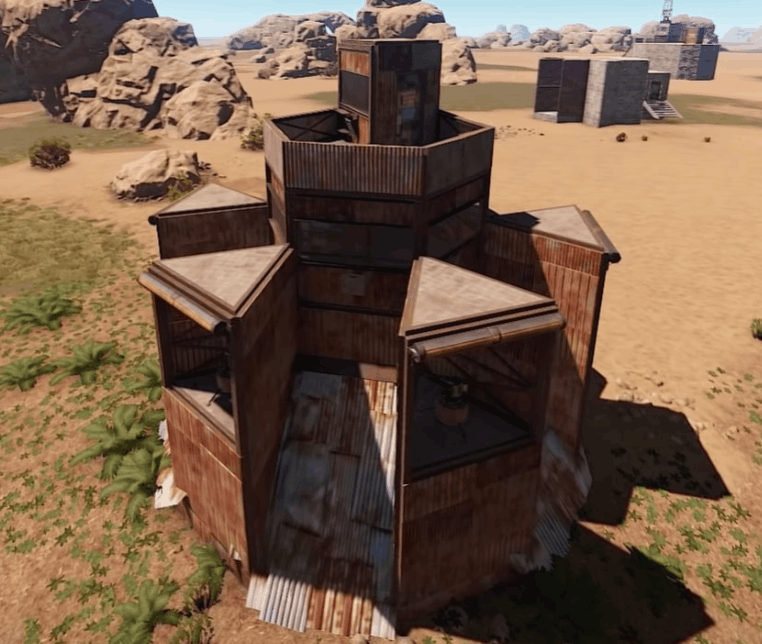
#Rust Base Building Basics
Before getting fancy with bunkers, shooting floors, and trap corridors, every rust base building guide should start with the essentials.
To build a base in Rust, you need:
- A Building Plan
- A Hammer
- Resources like wood, stone, metal fragments, and high-quality metal
- A Tool Cupboard, usually called a TC
- Doors, locks, and storage
Your TC is the heart of your base. It controls building privilege and stores upkeep materials. If raiders reach your TC, they can often grief, seal, or take over your base.
#Upgrade Order
A common beginner mistake is leaving key parts of the base too weak. Twig and wood are fine for placing shapes, but they should not stay that way for long.
A solid upgrade path looks like this:
- Build in twig to plan the layout
- Upgrade the core to stone quickly
- Replace wooden doors with sheet metal doors
- Upgrade loot rooms, TC room, and foundations
- Use armored walls or doors for your most valuable areas
Stone is usually the sweet spot early on. Metal and armored upgrades are better saved for your core, bunker, or TC room.
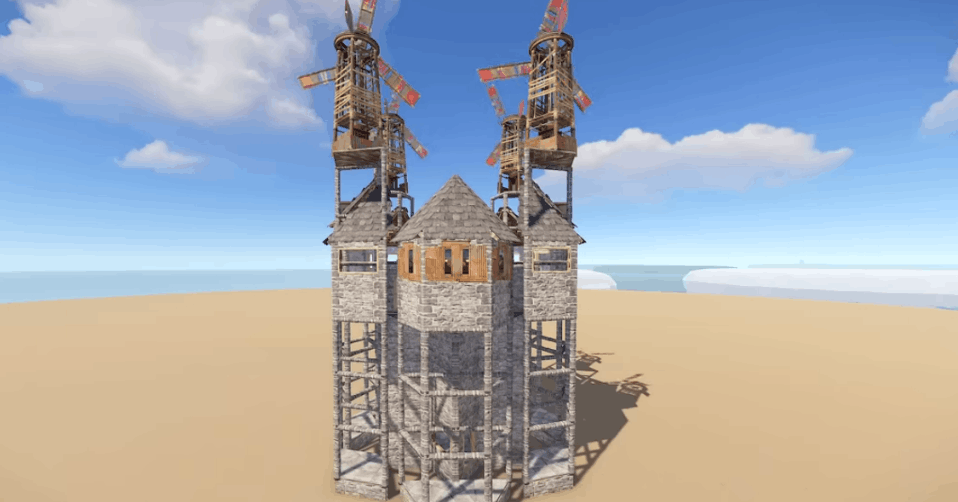
#Best Rust Base Designs by Team Size
The best rust base design depends on how many people are playing, how active you are, and how much farming you can handle. Bigger is not always better. In fact, huge bases often scream, “Please raid me.”
#Solo Rust Base
Solo players need compact, cheap, and sneaky bases. You do not want a giant fortress unless you enjoy farming upkeep instead of playing the game.
A good solo rust base should include:
- A 1x2 or 2x1 starter core
- One airlock
- A protected TC
- At least one loot room
- Honeycomb around the core
- A small roof or second floor later
For solos, location matters just as much as layout. Building slightly away from high-traffic monuments can save you from constant door camping and random raids.
#Duo or Trio Rust Base
Duos and trios can afford a bit more space. A 2x2 base is a classic for a reason: it is simple, expandable, and easy to defend.
A strong duo or trio base can include:
- Multiple airlocks
- Split loot rooms
- Roof access
- Furnace room
- Shooting angles
- Garage doors inside the base
- Honeycombed walls and ceilings
The trick is not putting everything valuable in one obvious room. Spread loot around so raiders do not win the whole wipe from one lucky door path.
#Clan Rust Base
Clan bases need space, organization, and serious defenses. They are also massive targets, so the design needs to justify the footprint.
A clan base usually benefits from:
- External TCs
- Compound walls
- Auto turrets
- Shooting floors
- Multiple bedrooms
- Drop boxes or locker rooms
- Separate loot rooms
- Backup exits
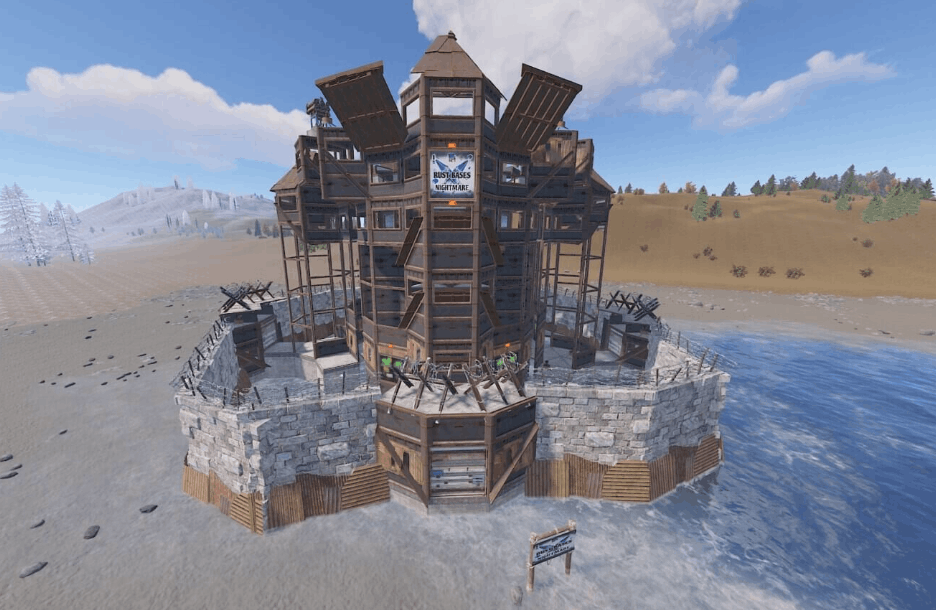
For larger groups, base building Rust strategy becomes less about hiding and more about control. You want visibility, raid defense positions, and enough storage to keep everyone from throwing gear into random boxes.
#Key Features Every Good Rust Base Needs
Some base features are useful no matter your team size. These are the building blocks of a base that survives longer than one awkward offline raid.
#Airlocks
An airlock is a small entry section with two or more doors. If someone kills you at the entrance, they still cannot walk directly into your base.
Simple airlock setup:
- Outer door
- Small triangle or square space
- Inner door
- Optional shotgun trap or flame turret
Never open both doors at once. That is how bases get deeped on.
#Honeycombing
Honeycombing means adding extra layers of walls, floors, or triangles around your core. This forces raiders to spend more explosives to reach the good stuff.
Use honeycomb around:
- TC room
- Main loot
- Bedrooms
- Workbench area
- Any obvious raid path
Even basic stone honeycomb can massively increase raid cost.
#Multiple Loot Rooms
Putting all your loot in one room feels convenient until someone raids straight into it. Split your best items between several rooms.
Try separating:
- Guns and ammo
- Farm and ore
- Components
- Boom materials
- Backup kits
- Tools and meds
This way, even if raiders find one loot room, they may miss the rest.
#Garage Doors
Once you unlock garage doors, use them. They are stronger than sheet metal doors and great for internal defense.
Good places for garage doors include:
- Loot room entrances
- TC path
- Hallways
- Core access
- Bunker exits
They also make your base feel way more organized.
#Choosing the Best Base Location
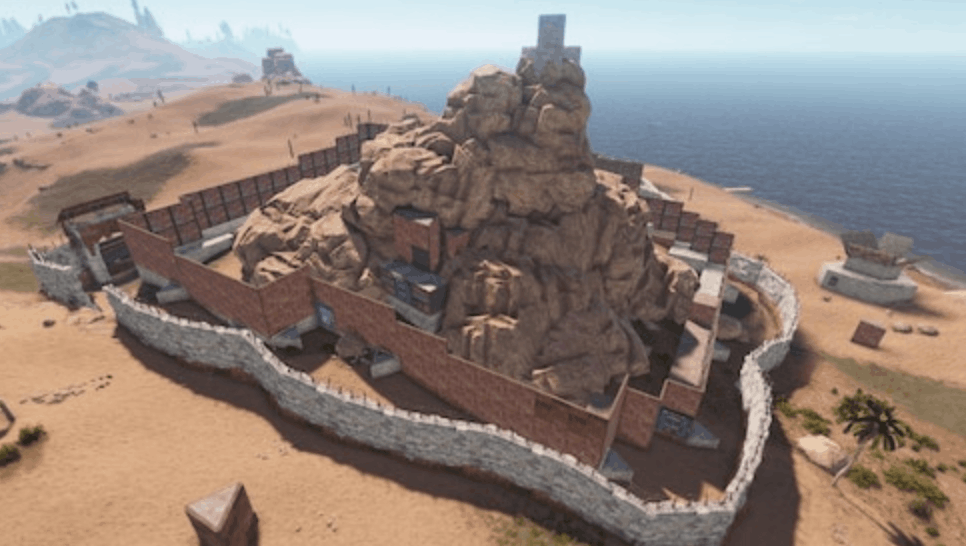
A great rust base in a terrible spot will still have a bad time. Location affects farming, PvP, raids, and how often random players bother you.
Look for a spot that gives you:
- Nearby stone, metal, or sulfur nodes
- Trees for early wood
- Road access for barrels
- Reasonable distance from monuments
- Natural cover like cliffs, rocks, or forests
- Enough space to expand
Avoid building directly beside giant clan compounds unless you enjoy being used as target practice. Also be careful near launch site, oil rig routes, and super busy monuments. Great loot usually means more attention.
#Common Rust Base Building Mistakes
Even experienced players mess up base designs. Here are the big ones to avoid.
#1. Building Too Big Too Early
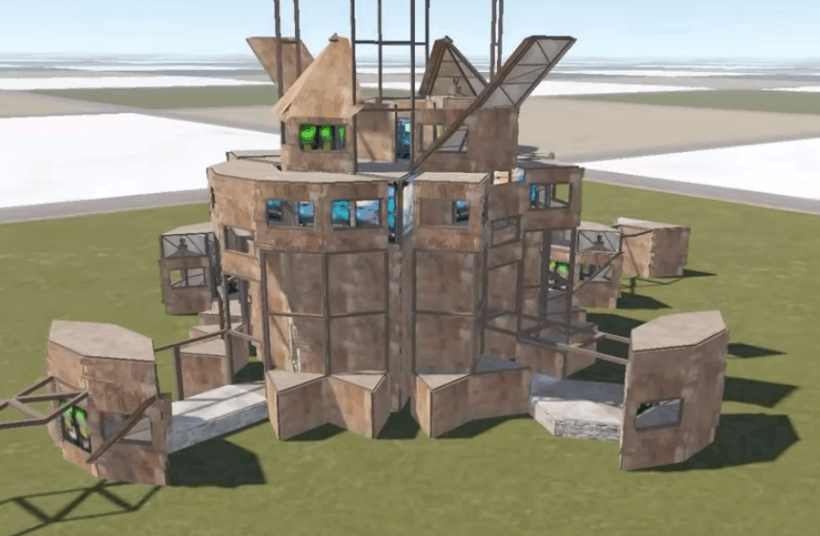
A massive starter base looks cool, but it drains upkeep and attracts raiders. Start small, secure the core, then expand.
#2. Forgetting Roof Protection
Raiders do not only go through doors. They can blow through roofs, ladder up, or top-down raid if your ceiling is weak.
Upgrade ceilings above:
- TC
- Main loot
- Workbench
- Bunker core
#3. Leaving Soft Side Exposed
Walls have a hard side and a soft side. If the soft side faces outward, raiders can break in much more easily with tools.
Always check wall direction before upgrading.
#4. Making the TC Obvious
If your TC is directly behind the most obvious door path, raiders will find it fast. Hide it, armor it, honeycomb it, or build around it creatively.
#5. Copying Designs Exactly
Using YouTube builds is fine, but popular designs are often familiar to raiders. Add your own twist. Move loot rooms. Change door paths. Adjust the footprint.
That one change might be the reason your base survives.
#Simple Starter Base Layout
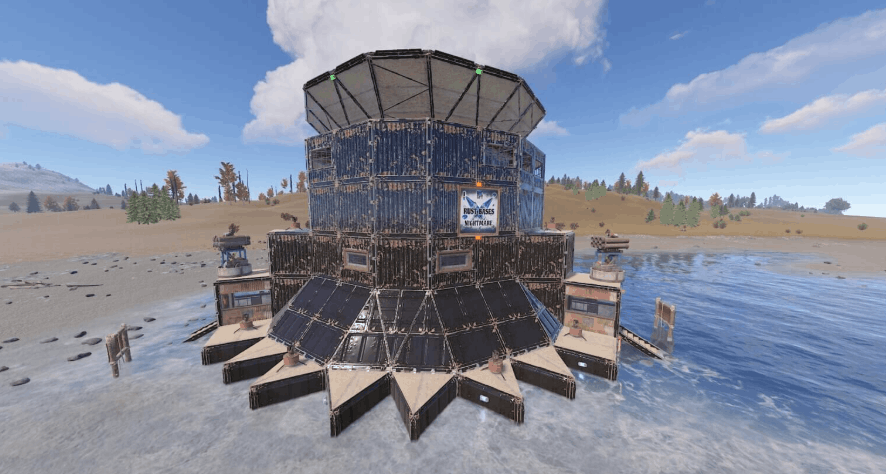
Here is a beginner-friendly rust base buidling layout you can use early in a wipe.
#2x1 Starter Base
Build:
- Two square foundations
- Walls around both squares
- One triangle airlock at the entrance
- TC in the back square
- Sleeping bag near the TC
- Furnace and boxes in the front square
- Sheet metal doors as soon as possible
Then expand with:
- Honeycomb on both sides
- Second triangle airlock
- Roof access
- Extra loot room
- Garage doors inside
This design is not flashy, but it works. It is cheap, fast, and perfect when you are trying to get established before night one gets chaotic.
#Advanced Rust Base Design Tips
Once you have the basics down, you can start adding more advanced features.
#Bunkers
Bunkers create a sealed or hidden section that is harder to raid than a normal room. They can be powerful, but they are also easy to mess up if you build them wrong.
Use bunkers for:
- TC protection
- Main loot
- Boom storage
- Offline defense
Practice the design before committing your wipe to it.
#External TCs
External Tool Cupboards help stop raiders from fully taking over your base area. They are especially useful for larger bases and compounds.
External TCs can:
- Protect your compound
- Prevent griefing
- Support wide gaps
- Make full base control harder
#Trap Corridors
Trap bases are their own thing, but normal bases can still use traps. Shotgun traps, flame turrets, and auto turrets can punish careless raiders or door campers.
Good trap spots include:
- Airlocks
- Jump-ups
- Loot room doors
- Roof entrances
- Fake loot paths
Just make sure your own team knows where they are. Nothing ruins the vibe like getting deleted by your own shotgun trap.
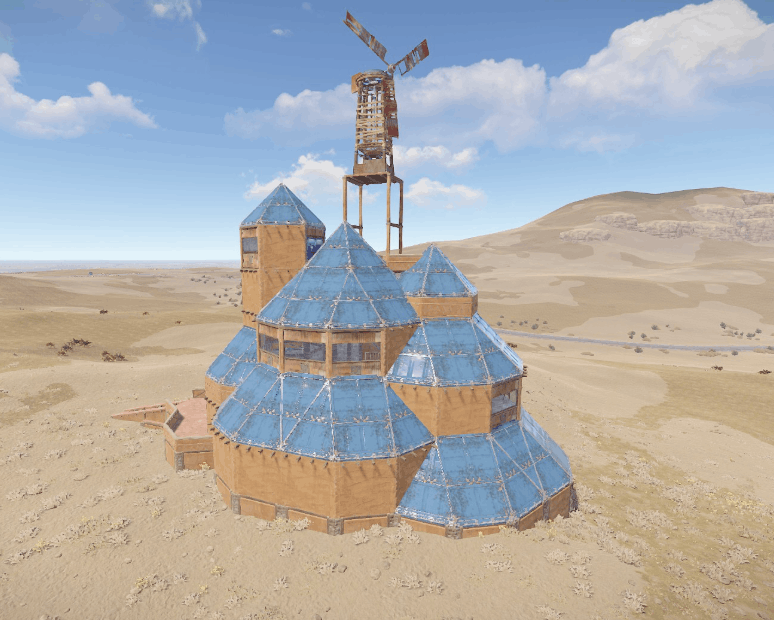
#Hosting Your Own Rust Server
Practicing base building is way easier when you are not being chased by a naked with a rock every five minutes. With dedicated Rust server hosting, you can test layouts, play with friends, adjust server settings, and experiment with base designs before using them in a real wipe.
Speaking of wipes, if you want a full guide on how to survive the infamous rust wipe day, we have your back!
It is also great for groups that want a private Rust experience with custom rules, mods, or relaxed building practice.
#Final Rust Base Building Guide Tips
The best rust base design is not always the biggest or most expensive. It is the one that fits your playstyle.
Before you log off, ask yourself:
- Is my TC protected?
- Are my doors upgraded?
- Is my loot split up?
- Did I honeycomb the core?
- Can raiders easily guess the layout?
- Do I have enough upkeep?
If the answer to those is solid, you are already ahead of most players.
Rust base building is part strategy, part creativity, and part paranoia. Build smart, upgrade early, hide your best loot, and never trust a friendly neighbor who keeps asking where your TC is.
We think you will also enjoy the following blogs: