Rust
Rust Livestock Update (Farming, Animals and Biofuel Explained)
 Maxine
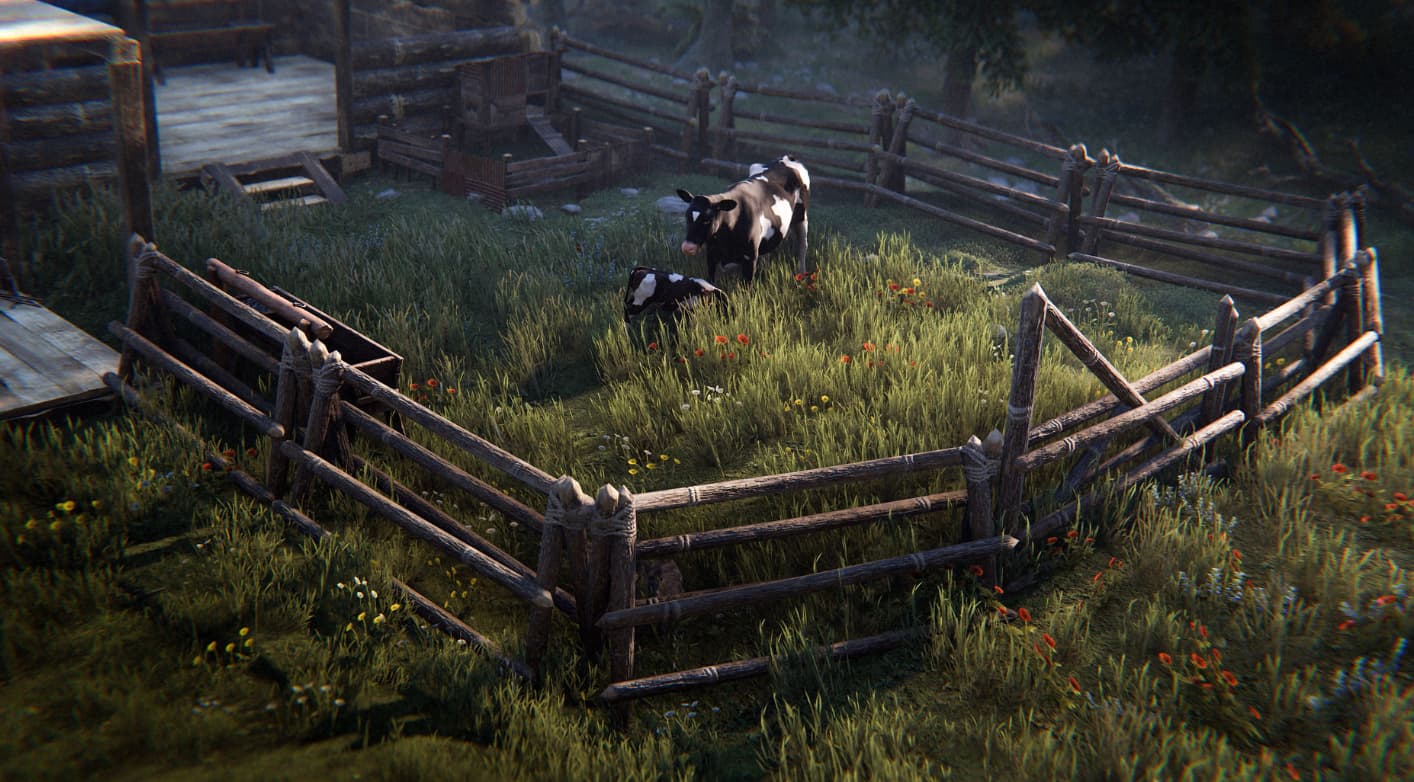
The Rust livestock update launched on October 1, 2026, adding farmable cows and sheep, other animals, milk and wool. You can raise livestock, sell grown animals and wool to the new vendor at the Ranch and Large Barn stables, and turn organic matter into Low Grade Fuel with the Biofuel Generator. New animal fences and gates keep your herd contained.
You finally have a reason to ask your teammate not to shoot the cow. This update makes keeping animals alive part of your base economy, with decisions about what to harvest and sell.
Before you fence off half a grid square, learn what you're signing up for.
#Which Animals Are Included in the Rust Livestock Update?
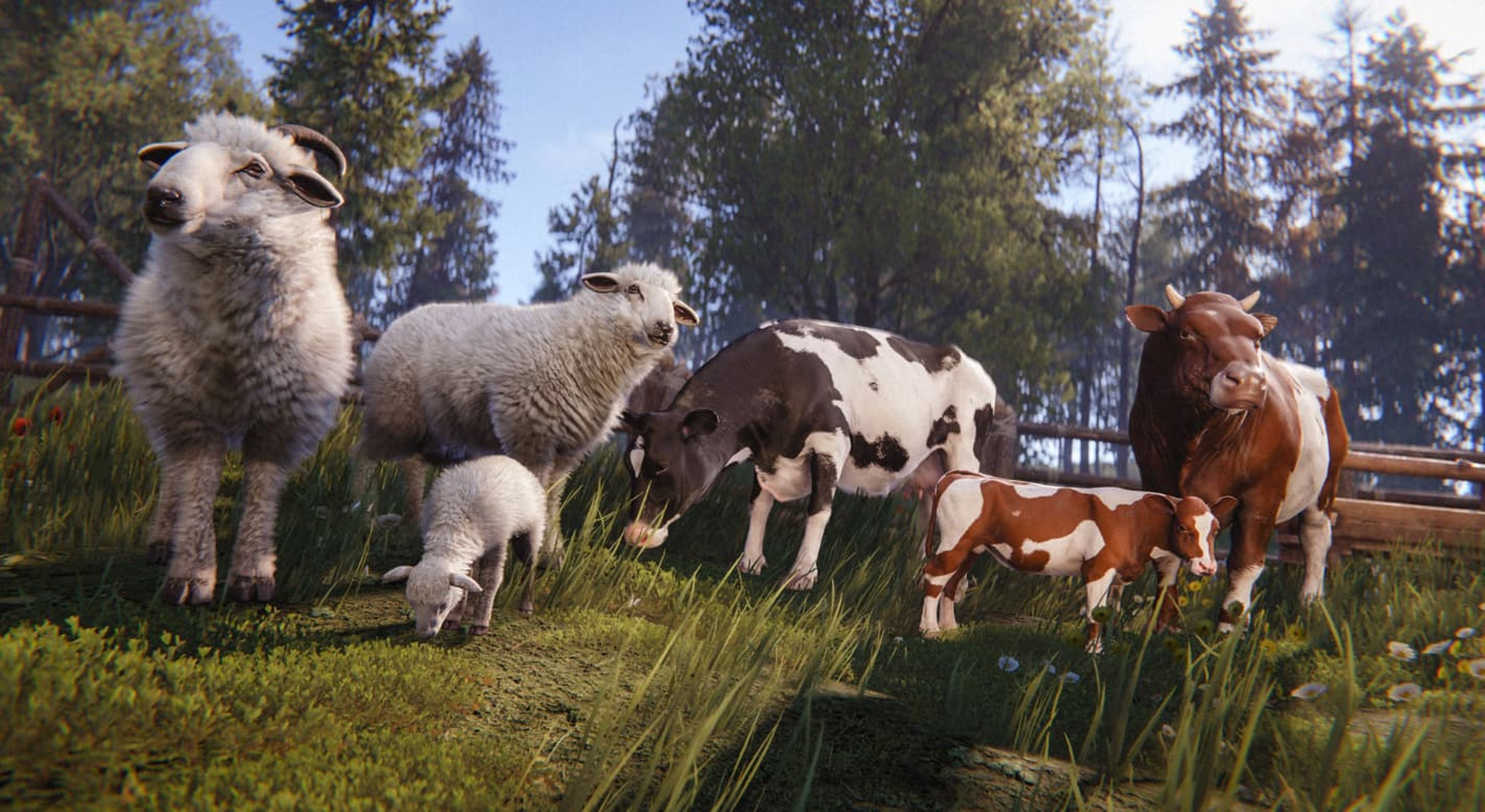
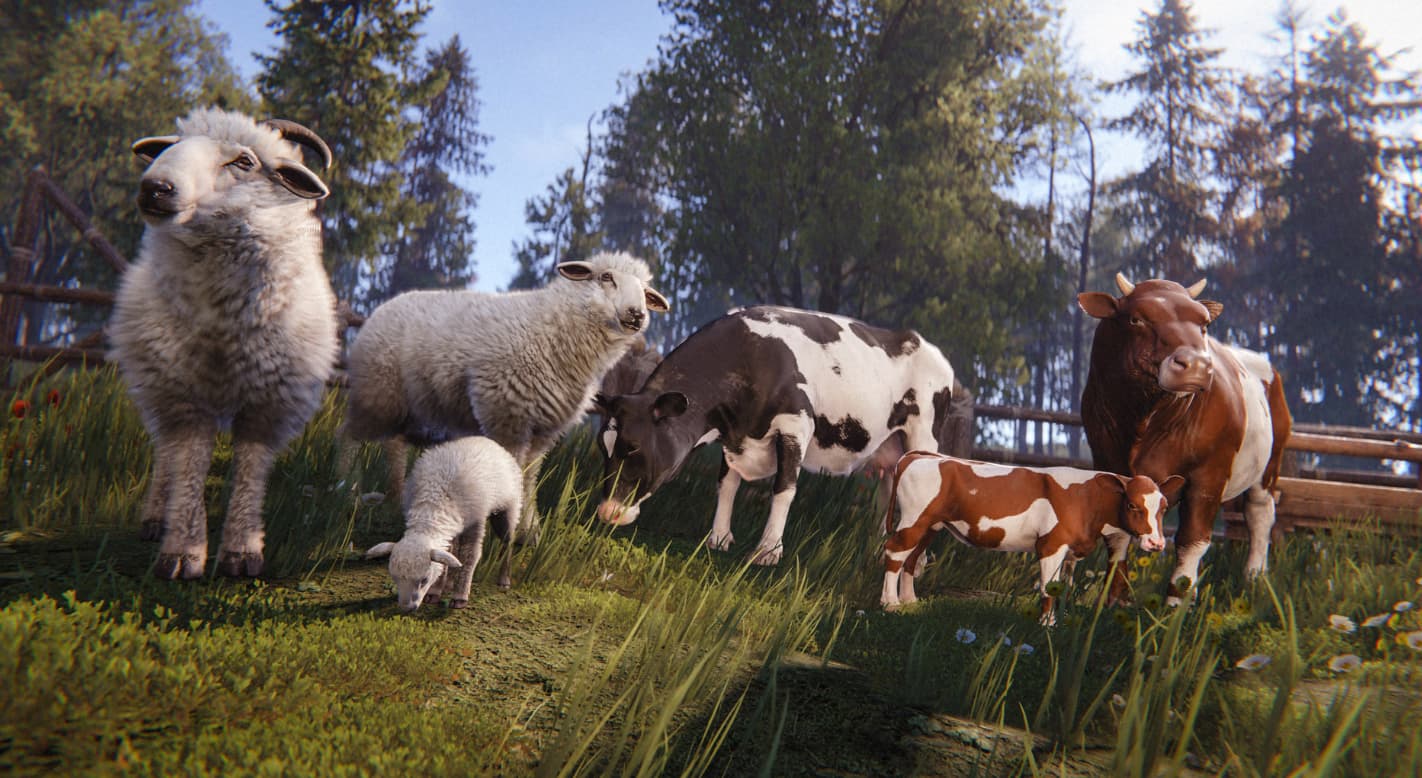
Cows and sheep are the two new farmable species. Cows arrive alongside bulls and calves, and sheep come with horned rams and lambs. Treat the males with respect: bulls and rams attack players they don't trust, and a bull hits hard enough to drop a naked player in two hits.
They join chickens, bees and horses on Rust's list of animals you can keep. Frogs, rabbits, squirrels, sea turtles, crabs and jellyfish also arrive with this patch, but Facepunch describes these critters as mostly set dressing.
Pick a goal for your first farm: milk, wool or animals to sell. Once you know what the pen is for, you'll make better calls about space and feed.
#How to Start a Livestock Farm in Rust
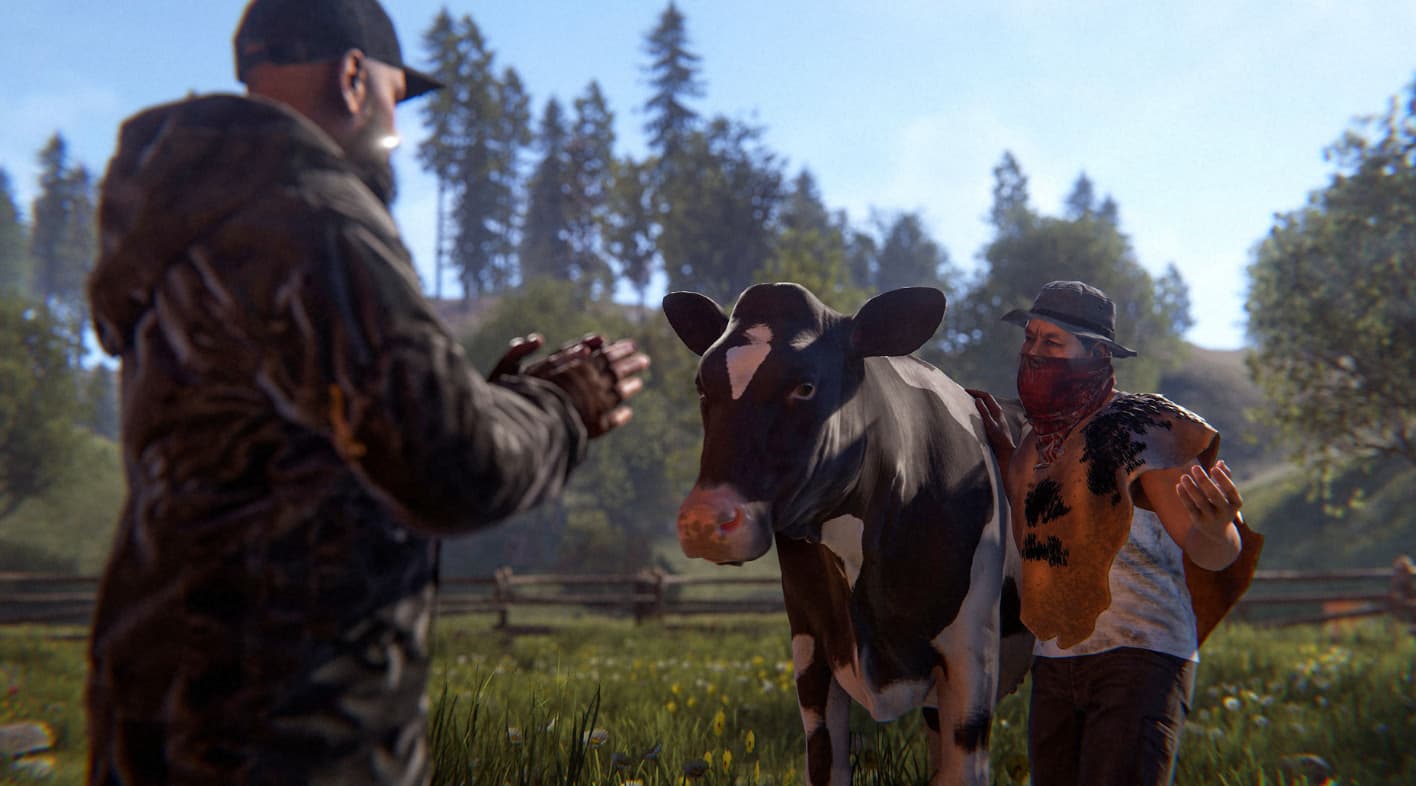
Start small. Build somewhere to keep the animals, sort out food and water, then bring livestock home.
-
Build your enclosure first. Craft the new Animal Fence and Animal Fence Gate from the Tier 1 workbench tech tree. With the new navmesh enabled, animals and other NPCs can walk into player structures, so keep gates closed and leave room to expand.
-
Prepare food and water. Livestock graze, and the Hitch & Trough now handles both food and water. Grass runs out, so stock the trough with vegetables or bread when an animal shows as grazed bare. Spread feeding points out, because crowded animals lose condition.
-
Find your starting animals. Wild cows and sheep spawn in small groups, mostly in open grassland. You can also buy calves and lambs from the livestock vendor.
-
Earn their trust. Wild livestock won't follow you until they're familiar with you. Stay close to an animal for a minute or two before you try to lead it, and never hit it, because an attack drops its trust and some of the herd's. A Shepherds Pie speeds up the bonding.
-
Move them home. Lead an animal on foot for short trips, or load it onto a vehicle flatbed for longer ones. Cows need the larger flatbed.
-
Check conditions before expanding. Get a few animals settled and producing before adding more. You'll find the problem in a small herd far faster than in an overcrowded pen.
My advice: your pen keeps animals in, and your base still has to keep raiders out. Choose a spot with easy access and decent sightlines, and avoid advertising your whole operation to everyone walking past.
#What Can You Get From Cows and Sheep?
Livestock gives you several returns, so slaughtering an animal isn't always the smart play.
#Cows: Milk, cream and tea upgrades
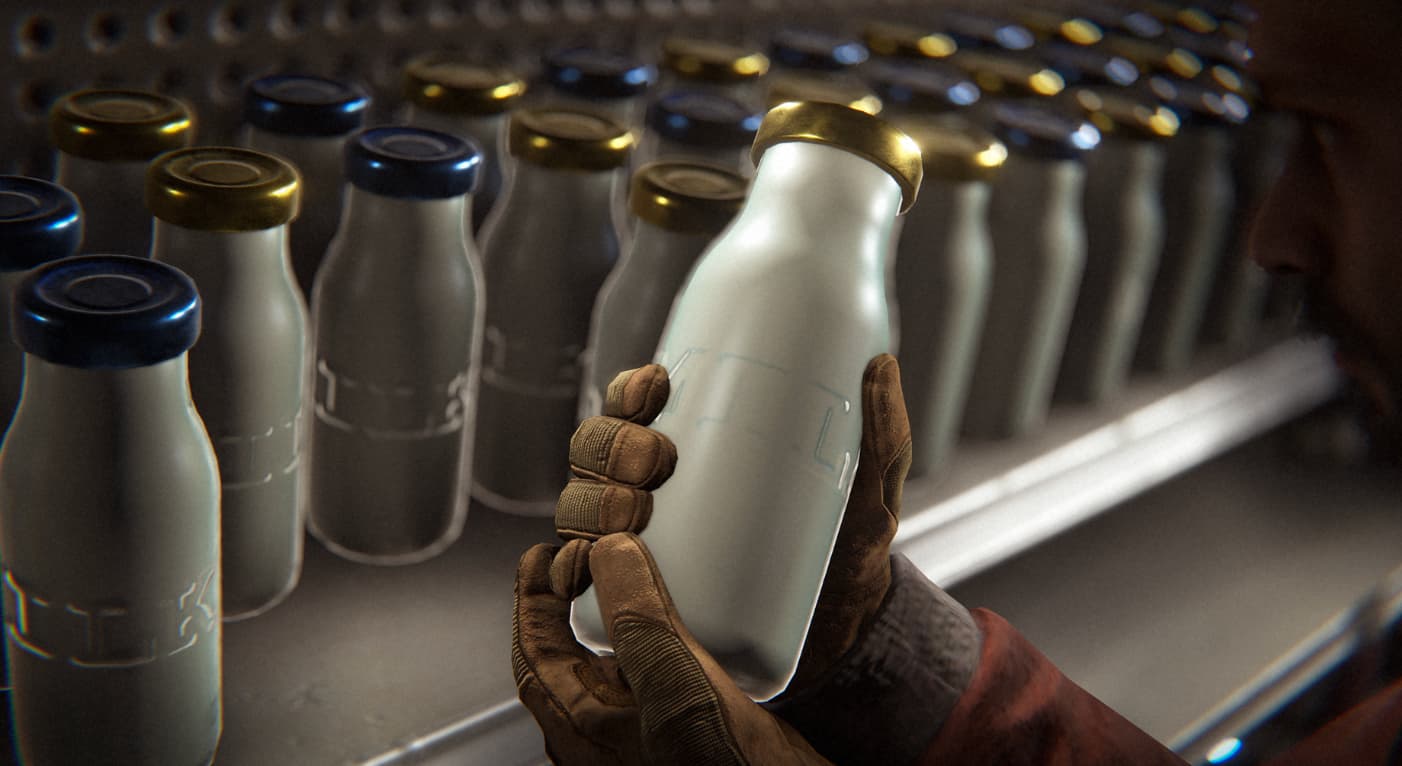
Cows produce Milk, which you can drink as is or process further. Refrigerate Milk for four hours to unlock the option to skim it. Skimming produces Skimmed Milk and Cream, so the fridge is only the first step.
Milk and Cream also feed into crafting recipes:
- Milk generally extends the duration of tea effects.
- Cream increases the potency of those effects, at the cost of some duration.
The update adds Milky and Creamy versions of most Pure Teas, new Beef and Mutton meat, Beef Pie and Shepherds Pie. Before you process a whole batch, decide whether your next session needs longer-lasting effects or stronger ones.
#Sheep: Wool for trading
Sheep produce Wool. You harvest it by cutting the fleece away with a knife, one section at a time. Watch your swings, because hitting a section you've already sheared damages the sheep. Launch-day testing pulled around 10 Wool from a fully coated sheep, with genetics affecting the yield.
You can sell Wool to the livestock vendor or recycle it into cloth. Both options earn you something from the sheep while it stays alive, so think twice before accepting an offer for your last ewe.
#Both animals: Dung and harvestable resources
Cows and sheep produce Dung and can be harvested for meat, bones and leather. The patch also cuts horse dung production considerably, and Facepunch now calls livestock the more efficient source.
If your composters run on horse dung, compare what a few cows or sheep can provide before you keep the old setup.
#How Do Livestock Breeding and Genetics Work?
Livestock have genetics and needs, and breeding lets you work towards better animals. Facepunch warns that animal genes won't behave exactly like plant genes, so your hemp crossbreeding routine won't carry over.
Offspring inherit genetics from their parents. Genes affect what an animal produces, including how much wool a sheep grows, and what the vendor will offer for it. To breed, you need an adult female near an adult male, with both in good condition. An animal's overall condition matches its lowest stat across food, water and personal space, so one neglected need can stall the whole plan.
Choose a goal first. Are you building a dairy herd, keeping sheep for wool, or raising animals to sell? Judge each newborn against that goal instead of keeping every calf indefinitely.
Keep your breeding stock separate from the animals you're willing to trade. Selling a valuable animal might fix today's resource shortage, but keeping it could do more for the herd you're building.
#How to Sell Livestock and Wool at the Stables
Lead a grown animal to the stables at the Ranch or Large Barn and speak to the new vendor outside. The vendor makes a randomised offer based on the animal's gene quality.
You get three offers in total: the first offer plus two alternatives. Reject all three and the vendor won't buy that animal for 15 minutes.
Every sale becomes a judgement call. Development builds showed rewards such as scrap, metal fragments, high quality metal ore, Low Grade Fuel and even an auto turret. Before you leave base, work out what you need. An offer that finishes an important project may beat gambling on something better.
Wool uses the same three-offer system, and the reward depends on how much Wool you bring in one trade. Facepunch's devblog caps a trade at 400 Wool, but Rustafied's launch-day testing reported a 100-Wool minimum and trades of up to 1,000. Check the limit in game before you plan a big run.
Bigger loads chase bigger offers and put more of your production at risk on the road. Learn the route on your first few runs before you chase the largest possible sale.
#How Does the Biofuel Generator Work?
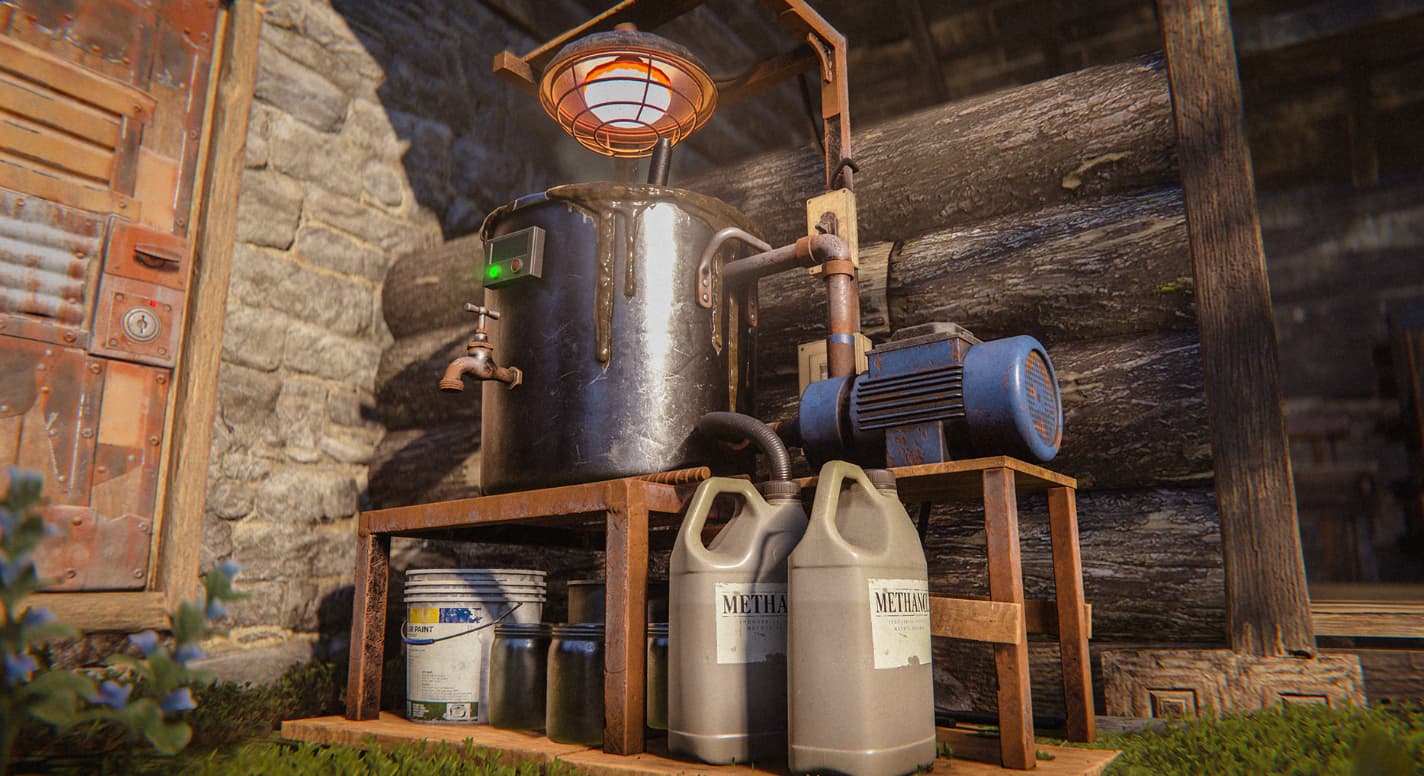
The Biofuel Generator converts organic matter, including raw or spoiled meat, into Low Grade Fuel. It gives unwanted meat a use, but you can't leave it unattended.
Fill it, stir it by hand and let it process. Facepunch says it runs for around 30 minutes before it needs another stir. You can wire its IO output to an alert that tells you when stirring is due, so you don't have to keep walking back to check. Development builds also had it drawing power while it cooks, so place it within reach of your electrical setup.
Food with a higher calorific value produces more Low Grade Fuel, which means a loaf of bread beats a handful of grubs.
On a livestock farm, surplus and spoiled meat are the obvious inputs. Set aside the food you'll eat, then decide what goes in the pot. Turning your entire food supply into fuel is technically productive, but it's a questionable dinner plan.
#What Else Changed in the October Update?
Livestock is the headline, but several other changes could affect your usual wipe routine:
- Air Wolf's helipad starts broken. The Bandit Camp vendor won't sell air vehicles until players repair the pad by hitting it with a hammer to transfer resources. Once repaired, it stays fixed for the rest of the wipe.
- Sandbags stack through four stages. Each extra sandbag deployable raises the barricade, with the final stage forming a pillbox. Facepunch also cut the crafting cost and raised the stack size to 20.
- More monuments have powergrid loot rooms. Enough Heavy Fuses at the Power Plant unlock rooms at monuments including Airfield, Launch Site, Military Tunnels, Missile Silo and Water Treatment Plant. Tougher monuments need more fuses.
- Throwables are client predicted. Grenades, C4 and satchels feel smoother to throw, especially on high ping.
- Oil Rig crude pumping is slower. It now takes 15 minutes to start producing.
Smaller servers get help with power too. Heavy Fuses last four times longer when ten or fewer players are online, scaling back to normal at 100 players. Facepunch also moved the small heavy fuse box so you can reach it from outside the Power Plant through a broken window. Mark October 22 as well. Facepunch has scheduled a mandatory server and client update that day to switch on Halloween features.

#Is Livestock Farming Worth It for Your Next Wipe?
Livestock is worth trying when you have a clear use for its output. Milk supports tea crafting, wool gives you a trading option, and breeding adds a way to build value over a wipe.
That doesn't mean every solo player needs a sprawling ranch. A small herd makes a better first experiment when you're also building, gathering and defending a base. For groups, agreeing on who checks the livestock will save more arguments than deciding who names the calves.
A private wipe with friends lets you learn the system without fitting every experiment around a busy public server. Facepunch also added convars for some of this month's changes, so server owners can switch off helipad repairs or tune Heavy Fuse decay. Remember, Shockbyte is Rust's official server hosting partner and has your back with affordable Rust server hosting for you and your friends to enjoy the new Livestock Rust update.
Start with a farm you can manage, and expand when its output pays for the extra space.

#Rust Livestock Update FAQs
#Is the livestock update still only on staging?
No. Facepunch released the Livestock Update on October 1, 2026, with the monthly force wipe. Articles about staging-branch testing describe its development period, and some figures in them changed before release.
#Where is the livestock vendor in Rust?
The vendor stands outside the stables at the Ranch and Large Barn monuments. You can buy calves and lambs there, and sell grown animals and wool.
#Can you move livestock with a vehicle?
Yes. You can load livestock onto a vehicle flatbed, and cows need the larger flatbed. For short trips, leading the animal on foot works fine.
We think you will also enjoy the following blogs:
Table Of Contents
Which Animals Are Included in the Rust Livestock Update?How to Start a Livestock Farm in RustWhat Can You Get From Cows and Sheep?How Do Livestock Breeding and Genetics Work?How to Sell Livestock and Wool at the StablesHow Does the Biofuel Generator Work?What Else Changed in the October Update?Is Livestock Farming Worth It for Your Next Wipe?Rust Livestock Update FAQsJoin Our Newsletter
Get updated on the latest news!
Join Our Discord
Be part of our community!