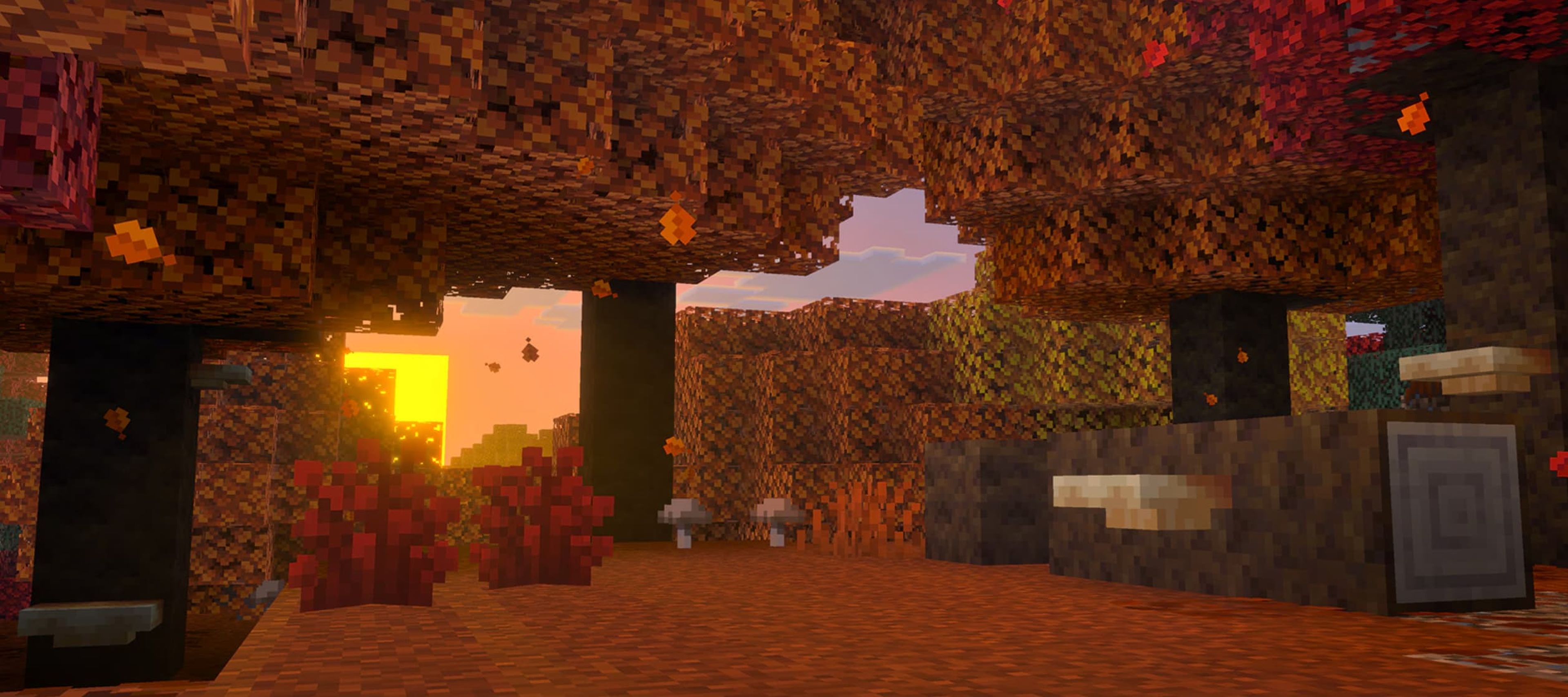
Minecraft
The Minecraft Wilderness Bound Update (What You Need To Know)
 Cami
CamiMinecraft has always been at its best when you wander off in one direction with absolutely no plan and somehow return three hours later with an inventory full of random loot.
The Minecraft Wilderness Bound update leans hard into exactly that kind of adventure.
Rather than introducing a giant new dimension or completely changing progression, Wilderness Bound focuses on making the Overworld more interesting to explore. There's a new autumn-inspired biome, mysterious camps scattered across several environments, travel-friendly gear, new map mechanics, and a surprisingly big selection of blocks for builders.
Here's everything included.
#What Is Minecraft Wilderness Bound?
Minecraft Wilderness Bound is the third Minecraft game drop of 2026, released on September 15, 2026. It launched as Java Edition 26.3 and Bedrock Edition 26.50.
The drop is primarily built around exploration and outdoor survival. Its biggest additions include:
- The new Dappled Forest biome
- Poplar trees and a complete new wood set
- Abandoned Camps containing loot and explorer maps
- One-use Straw Beds
- Sit-able Cushions
- Shelf Mushrooms
- Red Shrubs
- Wool stairs and slabs in 16 colors
- Concrete stairs and slabs in 16 colors
- Improvements to maps and explorer maps
If you've seen people searching for Wilderness Bound Minecraft features over the last few weeks, most of the major additions shown during previews have now made it into the finished drop.
#The Dappled Forest Is Minecraft's New Autumn Biome
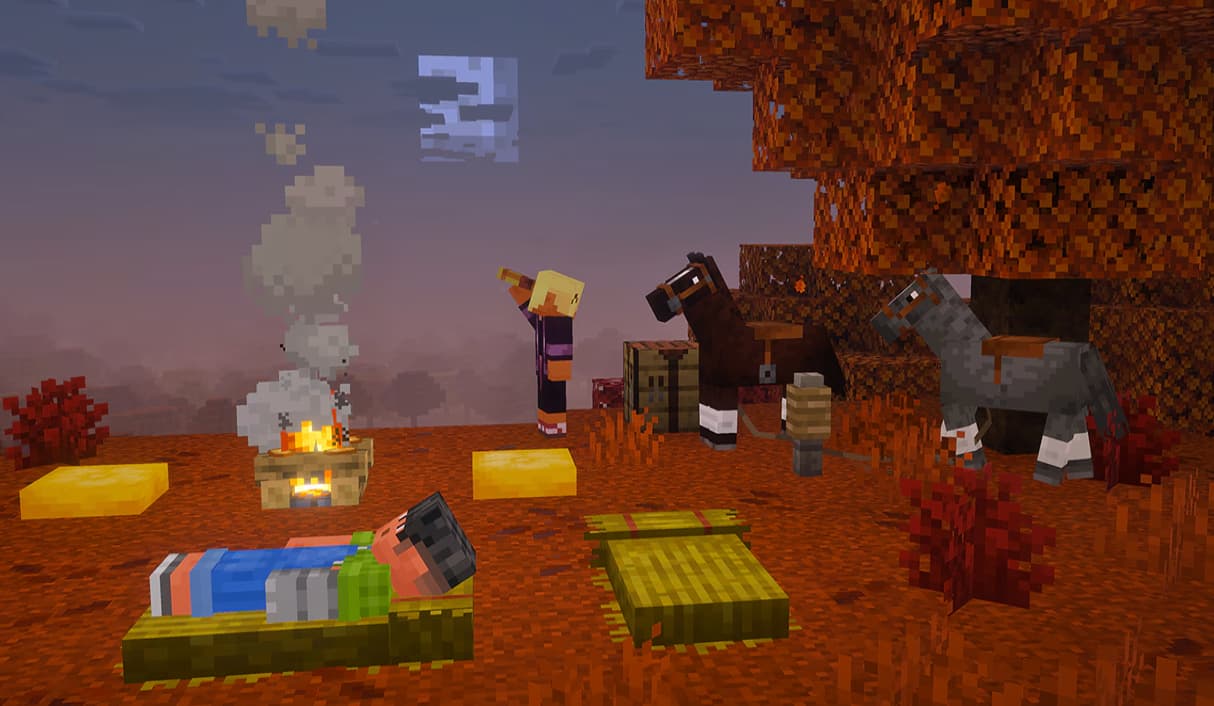
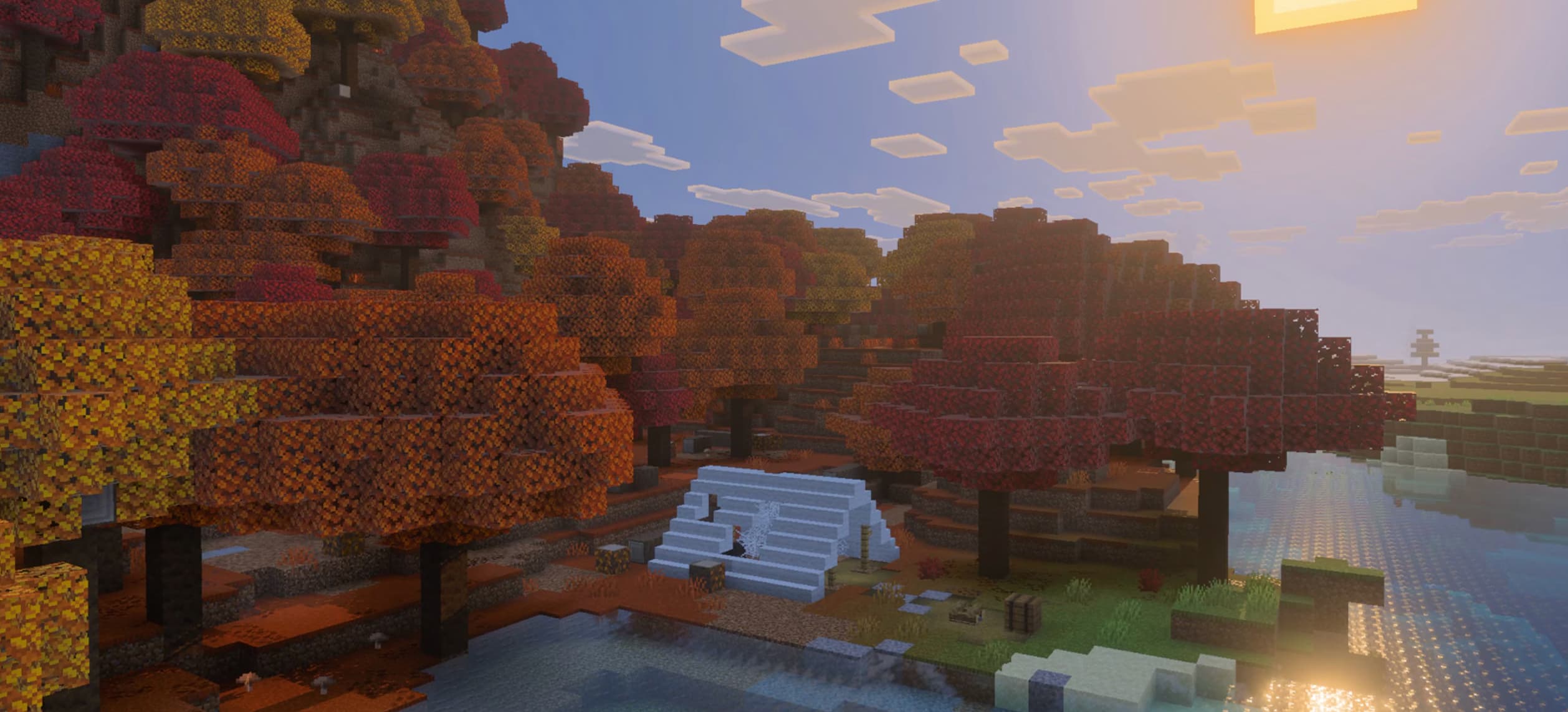
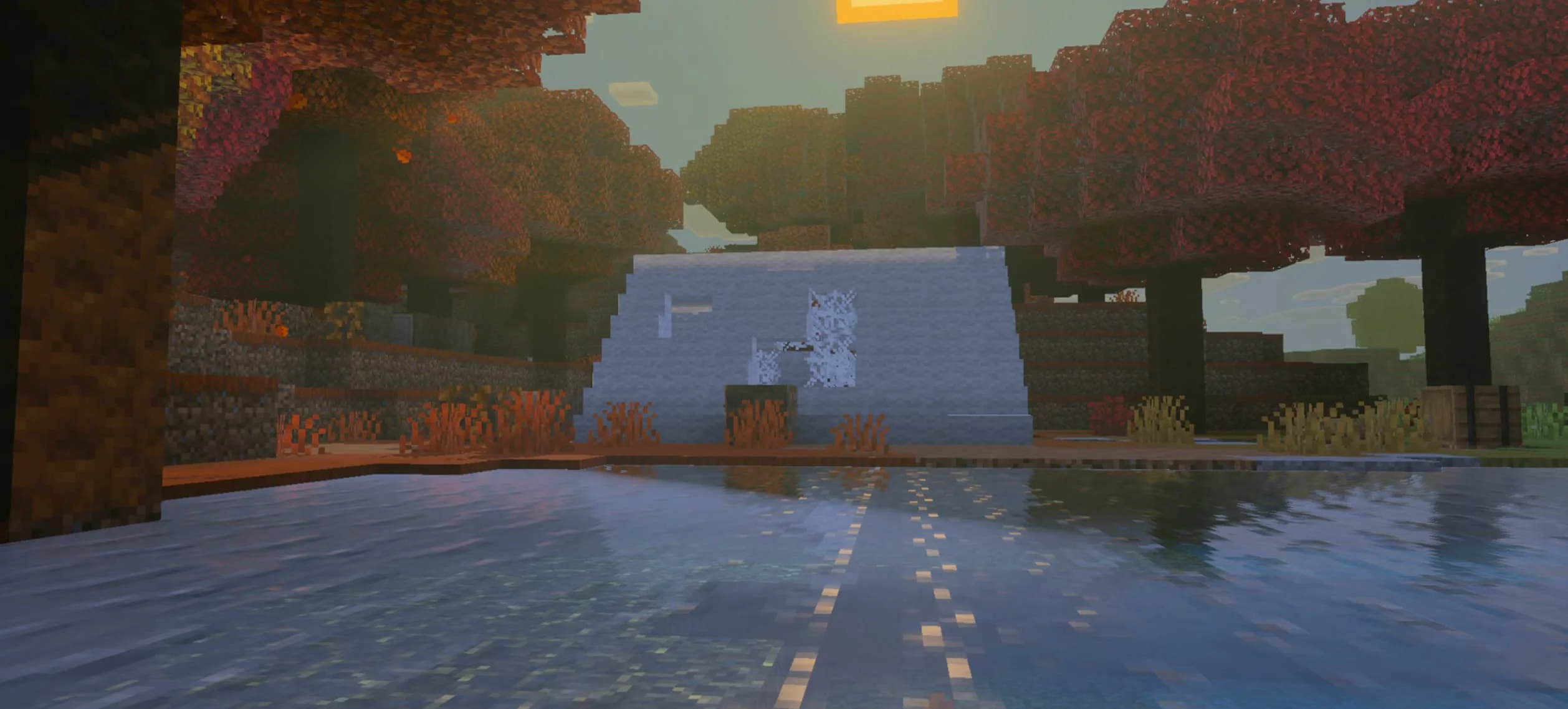
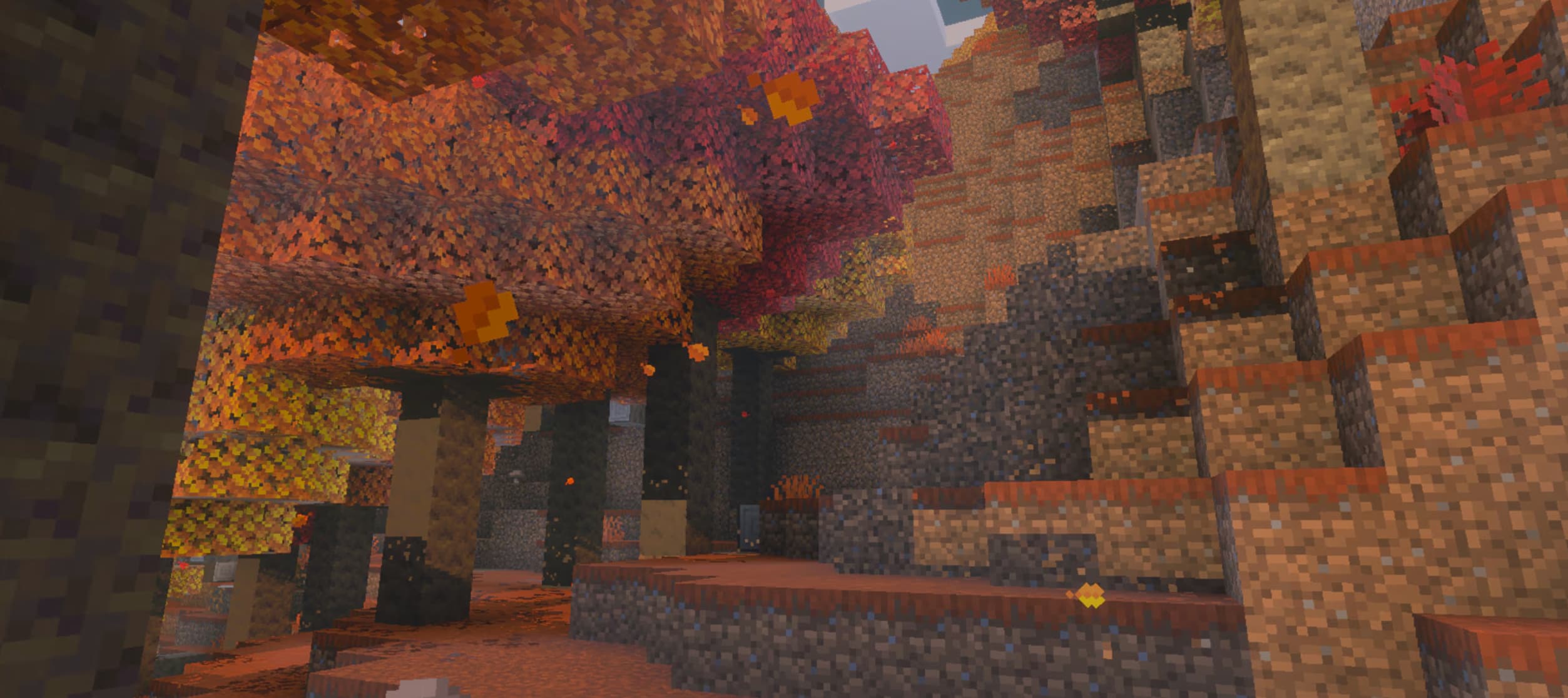
The star of Minecraft Wilderness Bound is easily the Dappled Forest.
It's an autumn-themed forest biome that can generate near colder regions of the Overworld. Instead of Minecraft's usual wall of green leaves, the biome is packed with warm reds, oranges, yellows, and earthy terrain.
You'll find things like coarse dirt, leaf litter, mushrooms, red shrubs, fallen trees, and the update's new poplar trees scattered throughout the landscape.
Passive and neutral mobs can appear here too, including:
- Sheep
- Chickens
- Cows
- Pigs
- Rabbits
- Foxes
Cold variants are used where applicable, helping the biome blend naturally into the colder areas where it tends to generate.
#Poplar Trees Add a Complete New Wood Set
Poplar trees are the defining feature of the Dappled Forest.
Their leaves come in red, orange, and yellow variants, with matching falling leaf particles creating one of Minecraft's most atmospheric forests yet. Poplar leaves can also produce ambient forest sounds under the right conditions.
More importantly for builders, poplar introduces another full wood family.
That means you can collect poplar logs and create matching:
- Planks
- Stairs
- Slabs
- Doors and trapdoors
- Fences and fence gates
- Signs and hanging signs
- Buttons and pressure plates
- Shelves
- Boats and boats with chests
The muted, grey-toned wood works especially well against the biome's bright foliage, but there's nothing stopping you from hauling several stacks back home and completely ignoring the wilderness theme.
Worth knowing before you start collecting saplings: they don't grow true to the parent tree. Plant one and it can sprout with red, orange, or yellow leaves at random. If you haven't found a Dappled Forest yet, it's also worth checking in on Wandering Traders, since poplar saplings occasionally show up in their trades.
#Shelf Mushrooms Are More Than Decoration
You'll also spot Shelf Mushrooms growing on poplar trees and fallen logs.
They come in small and large versions, and bone meal can grow a small one into a larger mushroom. Break the larger version and you can collect multiple shelf mushrooms.
The fun part is that they're slightly bouncy.
That makes them useful for decorative builds, small parkour courses, or the inevitable multiplayer situation where somebody spends 20 minutes trying to bounce between mushrooms instead of actually exploring.
Shelf Mushrooms can also be used in stew recipes, so they aren't purely cosmetic. Mushroom stew and suspicious stew got a little more forgiving in this update, too - both can now be made with any two mushrooms instead of requiring one specific red mushroom and one specific brown one, so a couple of Shelf Mushrooms will do the job just fine.
#Abandoned Camps Give You a Reason to Keep Exploring
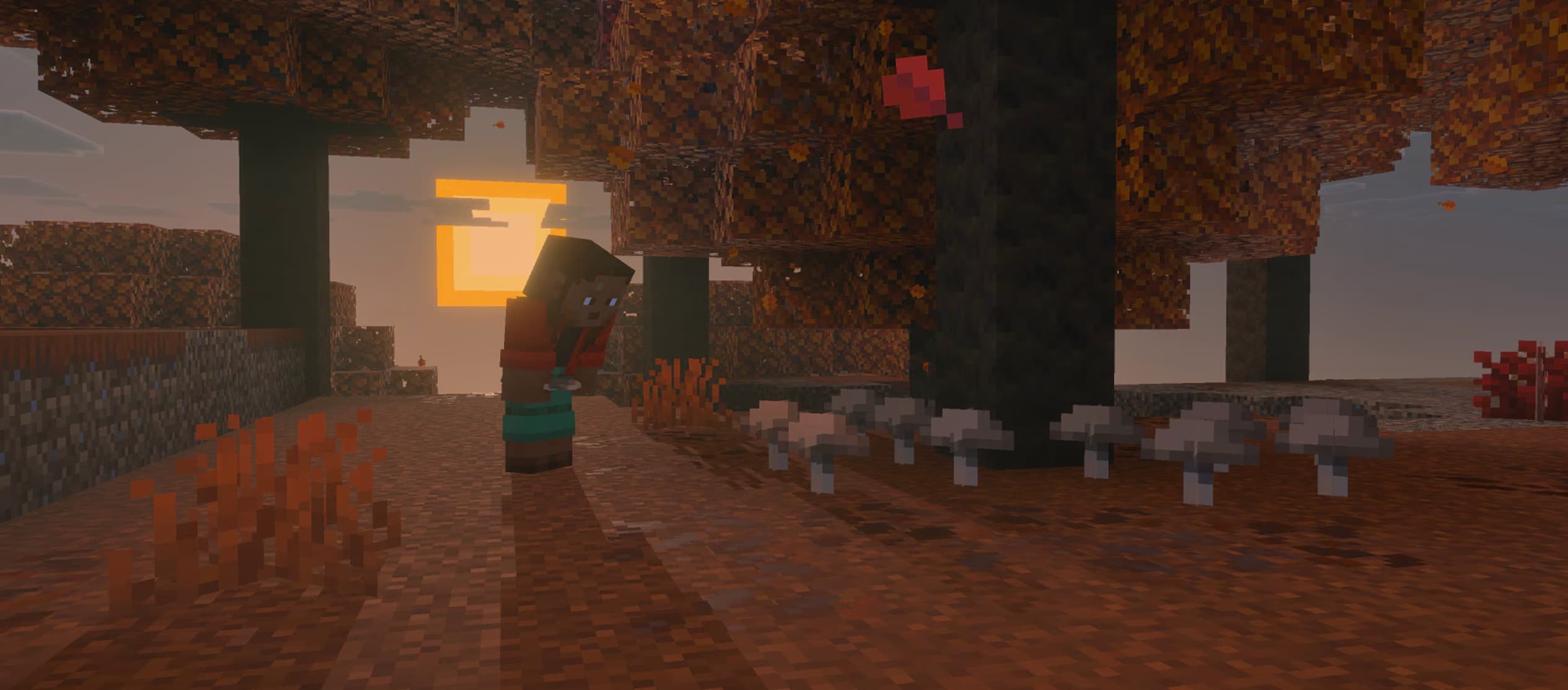
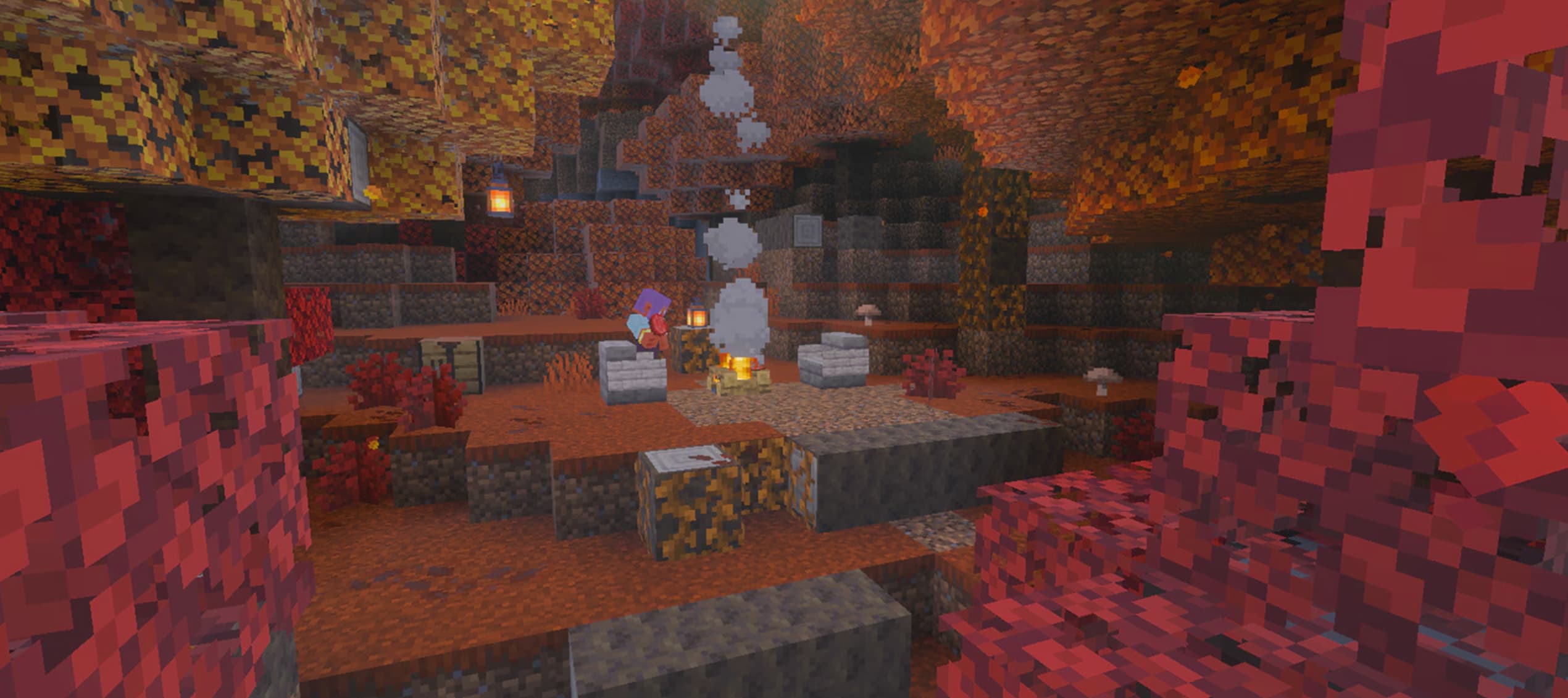
The other major feature of the Minecraft Wilderness Bound update is the Abandoned Camp.
These are new Overworld structures that can appear across 18 different biomes, including forests, taigas, swamps, jungles, meadows, cherry groves, savannas, badlands, the Pale Garden, and the new Dappled Forest.
Their design changes depending on the biome, so you aren't simply discovering the exact same campsite over and over.
Expect to find combinations of:
- Tents and shelters
- Campfires
- Straw Beds
- Cushions
- Barrels and chests
- Overgrown vegetation
- Small farms or ponds
- Hidden loot
Some versions look relatively comfortable. Others look like the previous owner left in a serious hurry. It's also worth checking every corner before you leave — some camps hide a weathered, oxidized copper chest tucked away from the obvious barrels and crates, and that's usually where the best loot ends up.
Mojang hasn't turned the abandoned camps into a huge lore dump, either. You're left to wonder who built them, what happened there, and why all their stuff is still lying around.
#Explorer Maps Can Point to Your Next Destination
The most useful camp loot may be the maps.
Abandoned Camps can contain maps leading toward other camps and notable locations around the Overworld.
Confirmed destinations include locations such as:
- Ancient Cities
- Mineshafts
- Desert Pyramids
- Warm Ocean Ruins
- Other Abandoned Camps in selected biomes
It creates a nice exploration loop: discover a camp, loot a map, follow it somewhere new, and potentially end up on another adventure entirely.
Older treasure maps got some attention too. Buried treasure, jungle pyramid, ocean monument, swamp hut, trial chambers, and woodland mansion maps all now have their own unique icons, so you can actually tell them apart at a glance instead of squinting at identical-looking paper. One small trade-off: explorer maps can no longer be zoomed out on a cartography table, so it's worth planning your route before you commit to following one.
#Straw Beds Make Long-Distance Exploration Much Easier
Anyone who regularly explores thousands of blocks away from home knows the normal Minecraft bed problem.
You want to skip the night.
You use a bed.
You accidentally reset your spawn point.
Then a Creeper introduces itself and your carefully planned expedition suddenly becomes much more complicated.
#Straw Beds fix that.
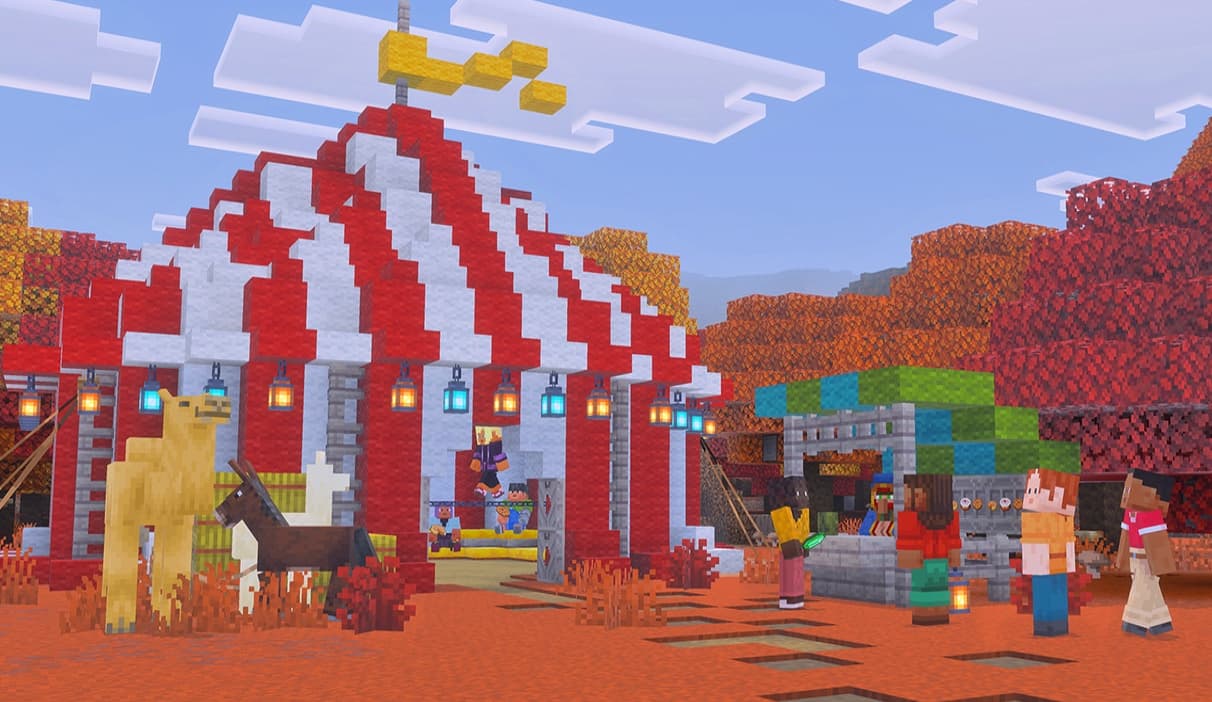
A Straw Bed lets you sleep through the night without changing your respawn point. The catch is that they're consumable, so they disappear after use.
Three Hay Bales craft four Straw Beds, making them surprisingly practical to carry on longer expeditions.
They also behave differently outside the Overworld. Attempting to use one in the Nether or End destroys the Straw Bed rather than creating the explosion caused by a normal bed.
For anyone who spends more time exploring than sitting in their base, this could end up being one of the most useful additions in the entire drop.
#Builders Get Cushions, Wool Stairs and Concrete Slabs
Wilderness Bound may be themed around exploration, but builders definitely weren't forgotten.
#You Can Finally Sit on Cushions
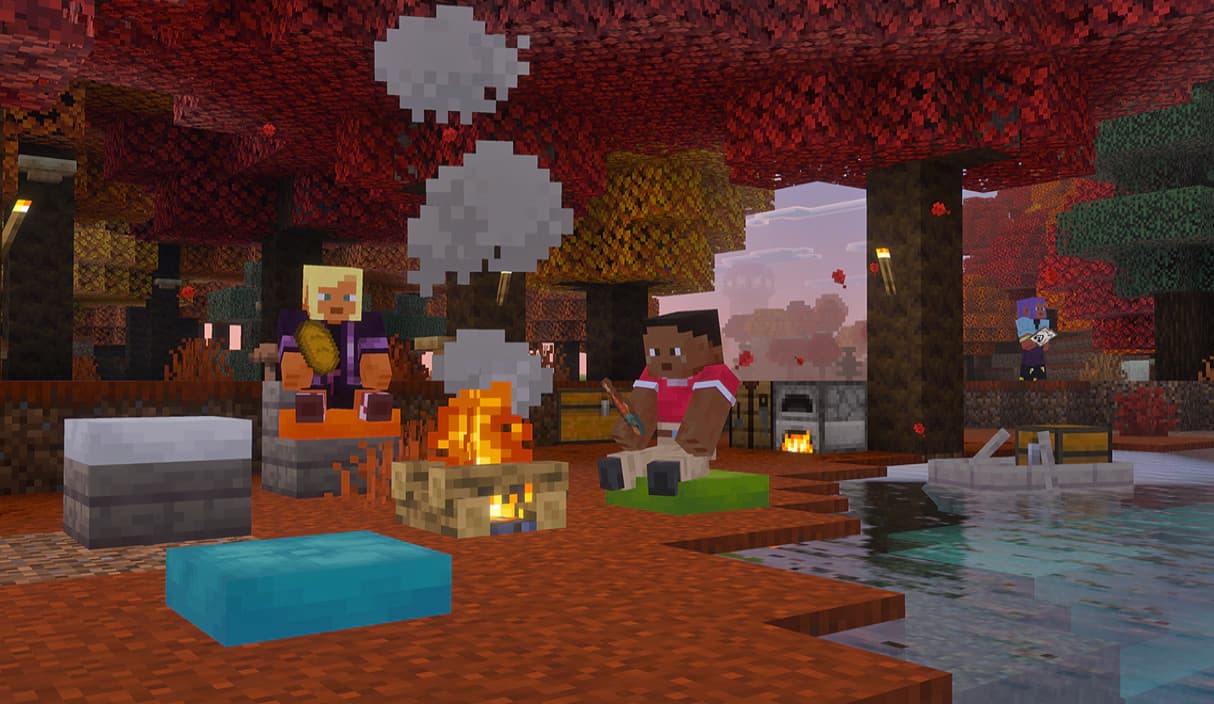
Cushions are placeable objects that players can actually sit on.
They come in all 16 wool colors and can be crafted using three Wool Slabs of the same color. You can also discover them naturally inside Abandoned Camps.
They're perfect for:
- Campfire seating areas
- Sofas
- Taverns
- Bedrooms
- Modern interiors
- Outdoor camps
- Multiplayer meeting areas
Minecraft players have been faking chairs with stairs and trapdoors for years, so having an actual sit-able furniture piece opens up plenty of new possibilities.
#Wool and Concrete Get Stairs and Slabs
Two long-awaited building additions also arrive with Wilderness Bound:
Wool stairs and slabs are available in all 16 wool colors, while concrete stairs and slabs are available across all 16 concrete colors.
That sounds simple, but it's a massive upgrade for detailed building.
Concrete can now create smoother modern roofs, curved-looking structures, colorful steps, furniture, and cleaner architectural shapes. Wool variants are equally useful for furniture, tents, soft-looking interiors, and detailed decorative builds. If you'd rather not craft every color by hand, concrete stairs and slabs can also be cut straight from solid concrete blocks using a stonecutter.
Combine those blocks with poplar wood and cushions and the update quietly gives builders a huge new toolbox.
#Minecraft Maps Have Been Improved Too
Maps also received some attention in Wilderness Bound.
Explorer Maps now have more distinctive appearances to make their destination easier to identify, while player markers provide clearer directional information when navigating.
The changes may sound small compared with an entire new biome, but they fit perfectly with the update's exploration focus.
Instead of checking a map and wondering which direction you're actually facing, navigation should feel more intuitive.
That matters even more now that Abandoned Camps actively encourage players to follow maps across the Overworld looking for new locations.
#What Should You Do First in Wilderness Bound?
Starting a fresh survival world for the update? There are a few things worth prioritizing.
- Find a Dappled Forest. Start near colder biomes and look for the unmistakable red, orange, and yellow poplar canopy.
- Collect poplar saplings and wood. Even if you don't build there permanently, bringing the new wood set home saves another expedition later.
- Look for an Abandoned Camp. Loot its containers, check for a hidden chest, and keep an eye out for useful maps.
- Craft several Straw Beds. They're ideal for keeping your original spawn point while travelling.
- Bring friends. Exploration gets significantly more entertaining when someone confidently claims they know the way home and absolutely does not.
If you're planning a shared Wilderness Bound world, reliable Minecraft server hosting with Shockbyte is also a natural way to keep that world online so everyone can explore, build camps, and follow maps without relying on one player to host every session.
#Is Minecraft Wilderness Bound Available on Java and Bedrock?
Yes. Wilderness Bound launched for both Minecraft: Java Edition and Minecraft: Bedrock Edition on September 15, 2026.
The corresponding main releases are:
- Java Edition 26.3
- Bedrock Edition 26.50
As always, smaller technical details and bug fixes can vary between editions, but the core Wilderness Bound features (including the Dappled Forest, Abandoned Camps, Straw Beds, Cushions, Poplar trees, and new building blocks) are part of the drop. Bedrock players briefly saw a follow-up version, 26.51, land right after launch, though that was just a quick hotfix for a crash rather than new content. Mojang has also confirmed that Bedrock Edition 26.60 is on the way with native support for Nintendo Switch 2, so console players won't be left behind for long.
#Is the Minecraft Wilderness Bound Update Worth Starting a New World For?
You don't need a completely new dimension or enormous boss battle for a Minecraft update to change how the game feels.
Wilderness Bound adds something Minecraft always benefits from: more reasons to leave your base.
The Dappled Forest gives the Overworld a totally different visual style. Abandoned Camps turn random journeys into treasure hunts. Explorer Maps point you toward your next destination. Straw Beds make those long trips less annoying, while Cushions, Poplar wood, Wool Stairs, and Concrete Slabs give builders plenty to bring home afterward.
It's a very Minecraft kind of update. You head out looking for a new tree. Then you find an abandoned campsite. Then the camp gives you a map. Then the map sends you halfway across the world. And suddenly it's three hours later.
Sounds about right.
We think you will also enjoy the following blogs:

Table Of Contents
What Is Minecraft Wilderness Bound?The Dappled Forest Is Minecraft's New Autumn BiomeAbandoned Camps Give You a Reason to Keep ExploringStraw Beds Make Long-Distance Exploration Much EasierBuilders Get Cushions, Wool Stairs and Concrete SlabsMinecraft Maps Have Been Improved TooWhat Should You Do First in Wilderness Bound?Is Minecraft Wilderness Bound Available on Java and Bedrock?Is the Minecraft Wilderness Bound Update Worth Starting a New World For?Join Our Newsletter
Get updated on the latest news!
Join Our Discord
Be part of our community!